
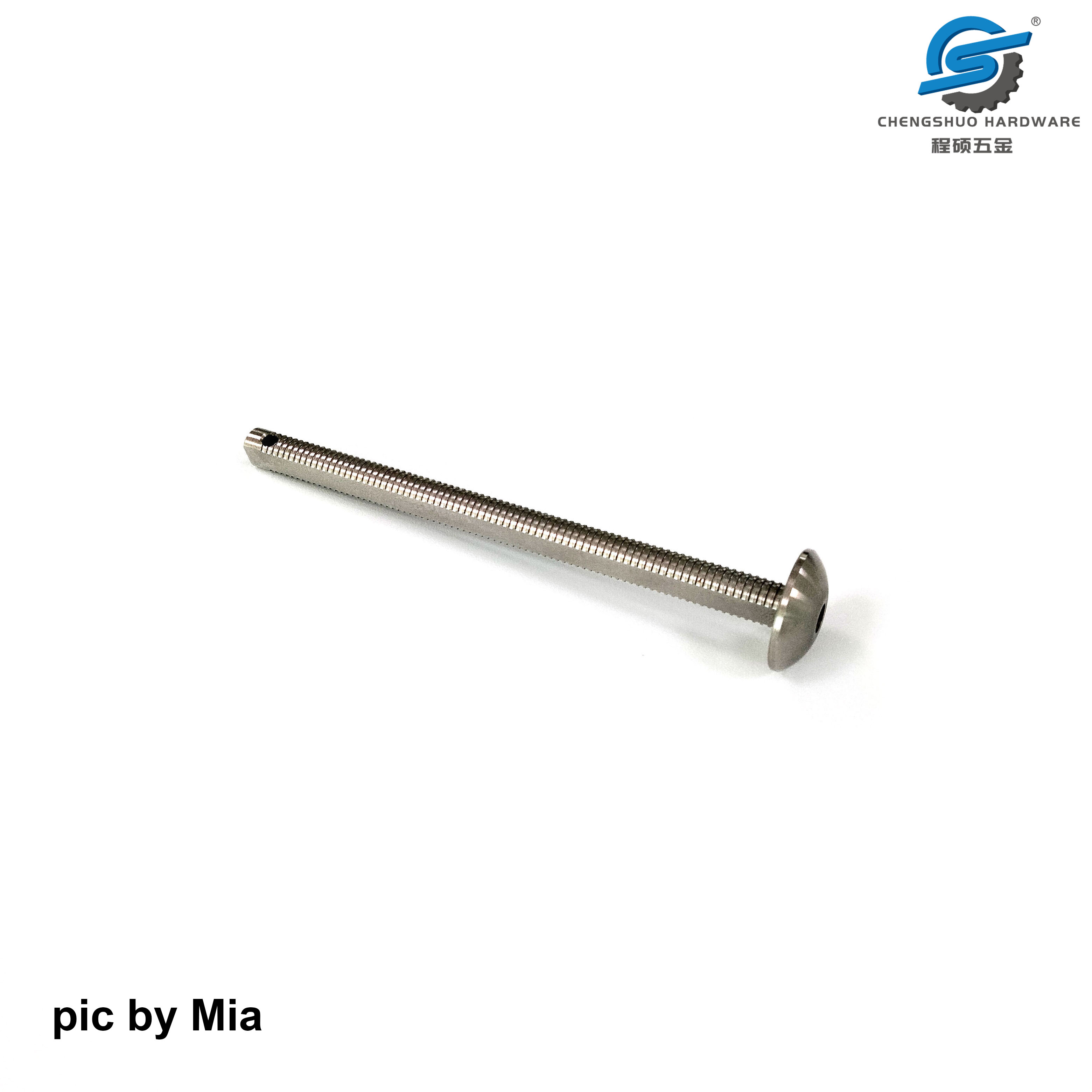
In recent months, the global manufacturing industry has experienced significant fluctuations due to the soaring prices of raw materials, particularly metals crucial to CNC machining. As metal prices continue to climb, companies engaged in automated machinery parts production and other precision machined products face mounting challenges. Dongguan Chengshuo Hardware Co., Ltd., a prominent player in this sector, provides a deeper understanding of how these price shifts are influencing the industry and what strategies are being adopted to navigate the evolving market landscape.
**Metal Price Surge and Its Industry Implications**
Metal is a fundamental raw material for CNC (Computer Numerical Control) machining—a manufacturing process widely adopted across various industries for producing high-precision components. Recent market analyses indicate a sharp increase in the cost of metals such as aluminum, steel, copper, and titanium. This rise stems from factors including supply chain disruptions, increased demand post-pandemic, and geopolitical tensions affecting material exports and imports.
For manufacturers dependent on CNC machining, the elevated metal prices translate into higher production costs. Companies must now reconsider pricing models and supply chain strategies to maintain profitability without compromising on quality or delivery timelines.
**Profiling Dongguan Chengshuo Hardware Co., Ltd.**
Dongguan Chengshuo Hardware Co., Ltd. is a leading enterprise specializing in the research, development, design, and customized production of various machined products. Their extensive portfolio includes automated machinery parts, automotive components, medical parts, die-casting elements, stamping parts, and other precision-machined products.
The company serves a diversified clientele across industrial and agricultural sectors, leveraging its advanced CNC machining capabilities and commitment to innovation. By focusing on product quality and customization, Dongguan Chengshuo has established a strong foothold in the competitive hardware manufacturing market.
**Challenges Posed by Increasing Metal Costs**
The surge in metal prices presents immediate and complex challenges for Dongguan Chengshuo and similar manufacturers. Key impacts include:
1. **Cost Management Pressure:** Raw materials constitute a significant portion of total production expenses. Elevated metal costs squeeze profit margins and necessitate careful financial planning.
2. **Supply Chain Volatility:** Fluctuating metal prices often coincide with supply chain uncertainties, affecting timely procurement of materials and leading to potential production delays.
3. **Customer Pricing Expectations:** End customers, particularly in cost-sensitive industries like agriculture, expect competitive pricing. Passing on increased costs risks losing market share to competitors or less quality-conscious alternatives.
4. **Inventory and Procurement Strategies:** Deciding whether to stockpile metals at current prices or adopt just-in-time procurement approaches becomes a critical operational decision, balancing the risks of price hikes against storage costs.
**Dongguan Chengshuo’s Strategic Responses**
In response to these challenges, Dongguan Chengshuo Hardware Co., Ltd. has implemented several strategic measures aimed at mitigating the adverse effects of rising metal prices while maintaining operational efficiency:
- **Enhancing Material Utilization:** Through improving CNC programming and optimizing cutting paths, the company reduces material waste. Advanced simulation software helps in designing parts that maximize metal usage without compromising structural integrity.
- **Supplier Collaboration:** Establishing closer relationships with metal suppliers enables Dongguan Chengshuo to gain better insights into price trends and negotiate improved terms, including bulk purchasing discounts and longer-term contracts at stable rates.
- **Product Design Innovation:** The R&D team is focused on redesigning components to use alternative materials or reduce metal consumption. This approach not only addresses cost concerns but also aligns with sustainability goals by minimizing raw material usage.
- **Diversifying Client Portfolio:** Expanding into sectors less impacted by metal price volatility or with higher tolerance for cost adjustments helps stabilize revenue streams.
- **Technical Upgrades:** Investing in state-of-the-art CNC machinery with higher precision and efficiency reduces cycle times and energy consumption, offsetting some material cost increases.
**Industry Outlook Amid Metal Price Volatility**
Market experts predict that metal prices will continue to be volatile in the near term due to ongoing global economic uncertainties. The CNC machining industry, deeply intertwined with metal availability and costs, must adapt to this dynamic environment.
Companies like Dongguan Chengshuo Hardware Co., Ltd. illustrate how embracing innovation, supply chain agility, and strategic cost management can create resilience. Their commitment to quality and customization positions them favorably, allowing them to retain customer loyalty even in challenging conditions.
Moreover, the trends toward automation and precision manufacturing, as championed by Dongguan Chengshuo, are expected to drive future growth. Automated machinery parts and advanced medical components, which demand exact specifications and performance, remain high-value segments less likely to be commoditized.
**Conclusion**
The rise in metal prices poses a substantial challenge to CNC machining enterprises, impacting production costs and operational strategies. Dongguan Chengshuo Hardware Co., Ltd.’s proactive measures—ranging from optimizing material use to enhancing supplier relationships—demonstrate a comprehensive approach to managing these pressures.
As the manufacturing sector navigates this period of uncertainty, companies that prioritize innovation, agility, and quality will not only survive but potentially thrive. The experience of Dongguan Chengshuo underscores the importance of adaptability and forward-thinking in maintaining competitiveness within the precision machining market amid external economic fluctuations.